

Your diamond
Made to order · In-house
Best sellers
The settings people keep coming back to. Four that are chosen more than any others, and every design we make behind them.
-
 Best seller
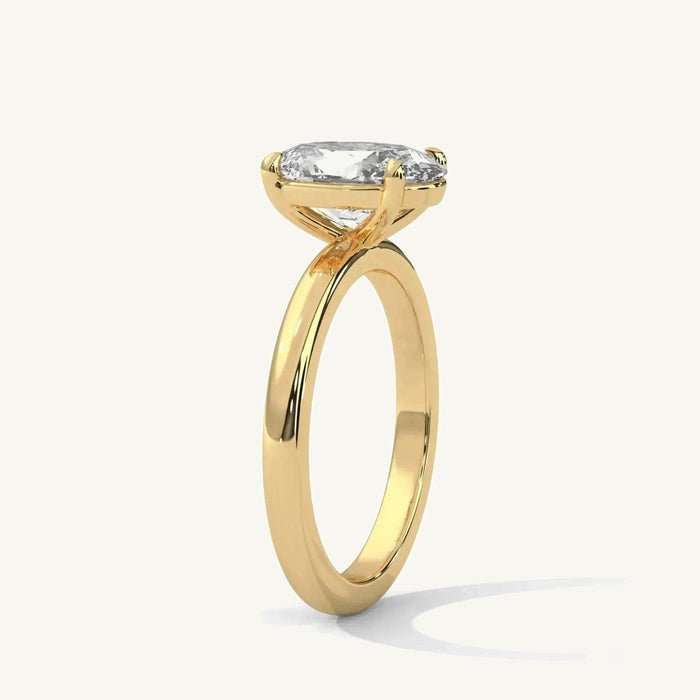
Classic Solitaire Setting
from $850.00
Best seller
Classic Solitaire Setting
from $850.00
-
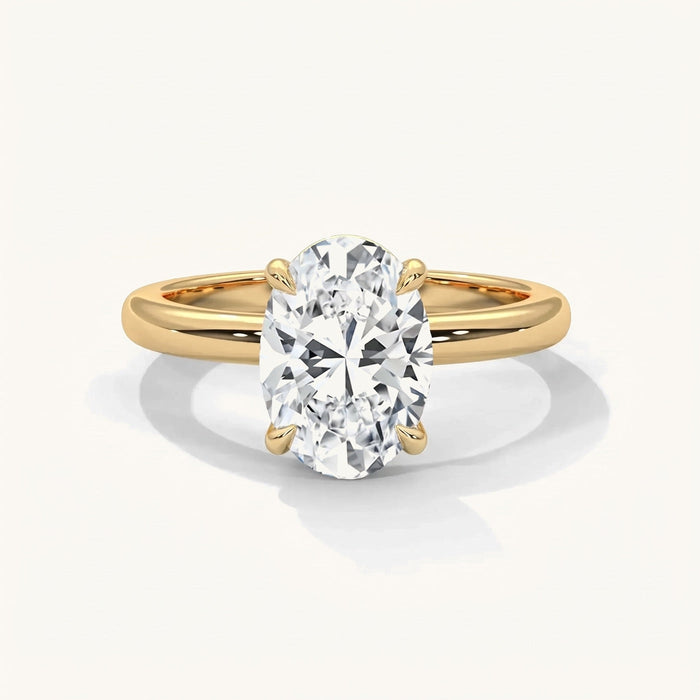 Best seller
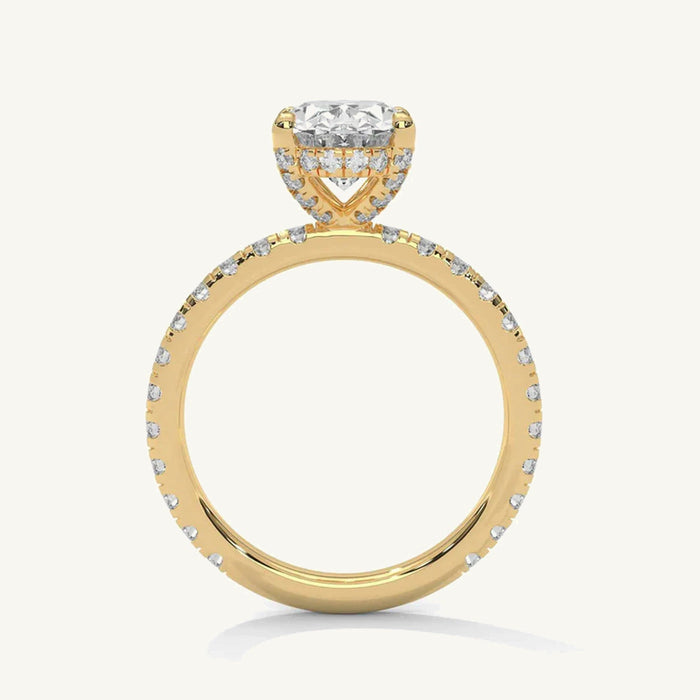
Freesia Setting
from $900.00
Best seller
Freesia Setting
from $900.00
-
 Best seller
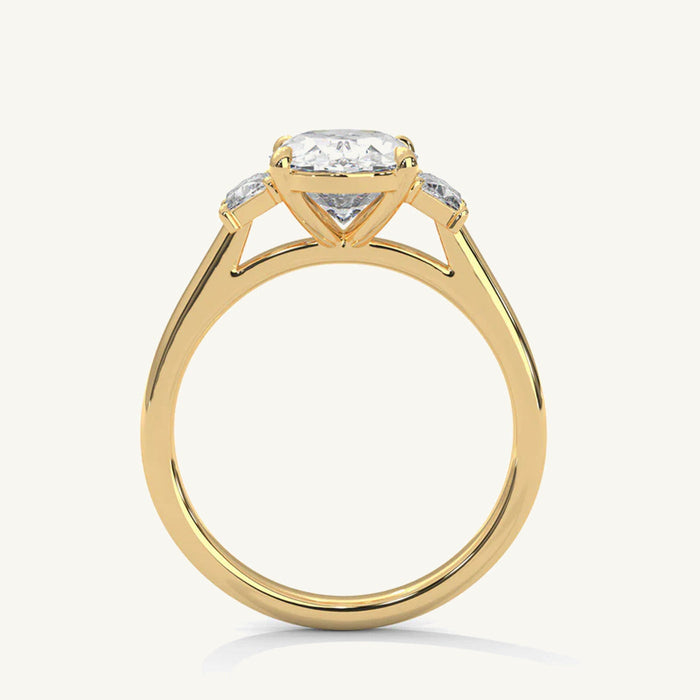
Tulip Setting
from $1,150.00
Best seller
Tulip Setting
from $1,150.00
-
 Best seller
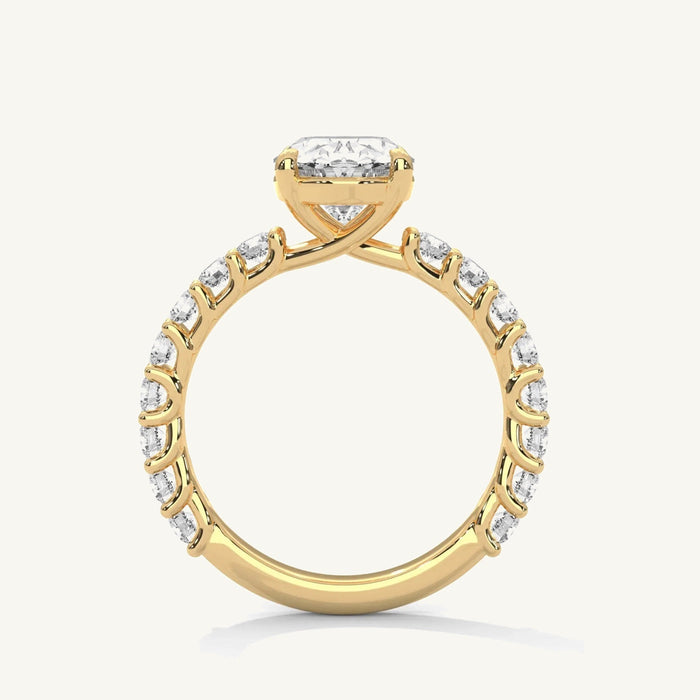
Marais Setting
from $1,690.00
Best seller
Marais Setting
from $1,690.00
-
 Atrium Setting
from $1,040.00
Atrium Setting
from $1,040.00
-
 Three Stone Baguette Setting
from $1,600.00
Three Stone Baguette Setting
from $1,600.00
-
 Bloom Setting
from $1,100.00
Bloom Setting
from $1,100.00
-
 Cala Setting
from $1,200.00
Cala Setting
from $1,200.00
-
 Cardinal Setting
from $1,020.00
Cardinal Setting
from $1,020.00
-
 Celine Setting
from $1,050.00
Celine Setting
from $1,050.00
-
 Elodie Setting
from $1,080.00
Elodie Setting
from $1,080.00
-
 Lido Setting
from $1,700.00
Lido Setting
from $1,700.00
-
 Three Stone Trapezoid Setting
from $1,680.00
Three Stone Trapezoid Setting
from $1,680.00
-
 Luna Setting
from $1,040.00
Luna Setting
from $1,040.00
-
 Lyon Setting
from $1,200.00
Lyon Setting
from $1,200.00
-
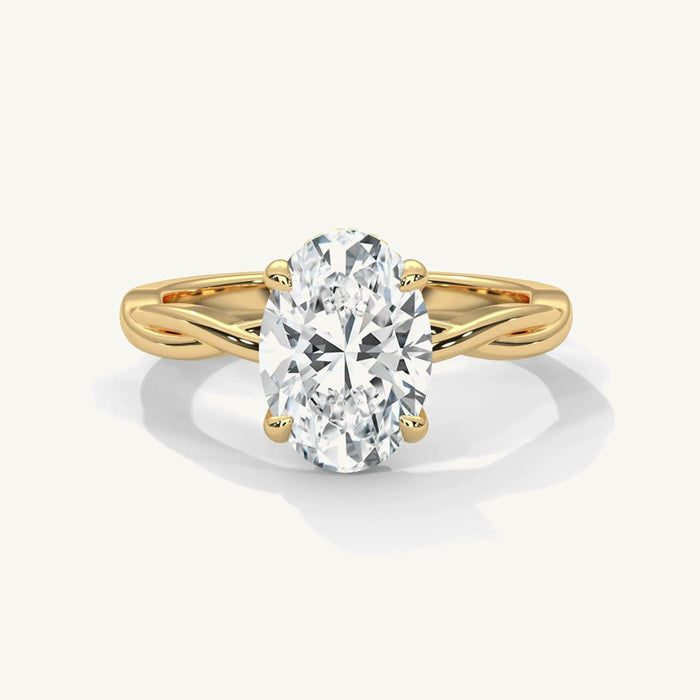 Noor Setting
from $1,150.00
Noor Setting
from $1,150.00
-
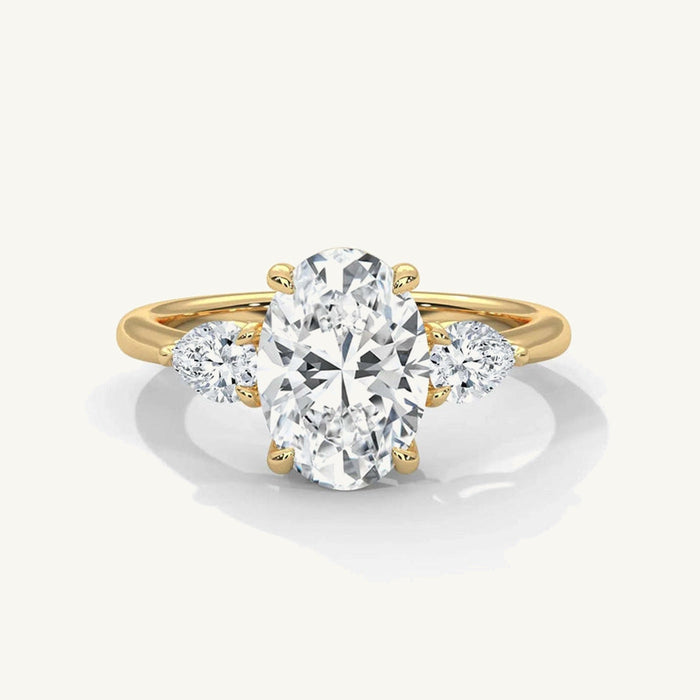 Opera Setting
from $1,560.00
Opera Setting
from $1,560.00
-
 Paper Knife Setting
from $1,100.00
Paper Knife Setting
from $1,100.00
-
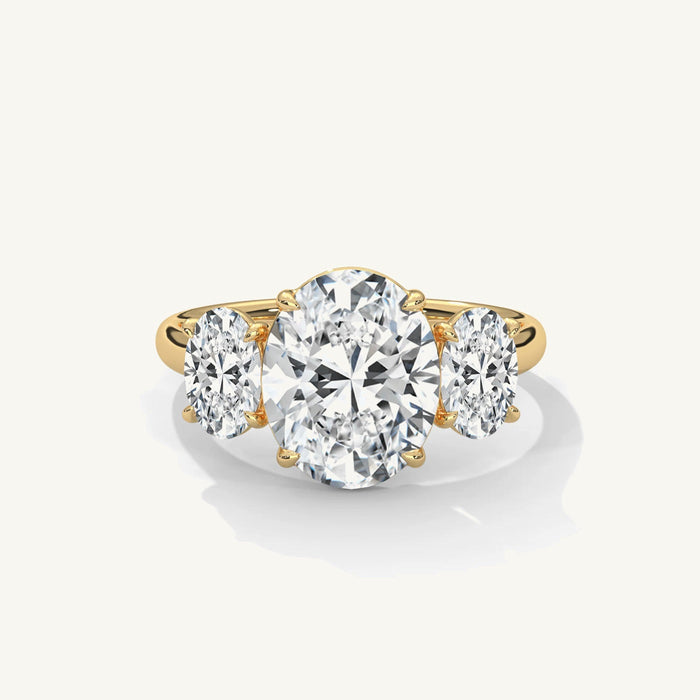 Saren Setting
from $1,690.00
Saren Setting
from $1,690.00
-
 Secret Halo Setting
from $1,120.00
Secret Halo Setting
from $1,120.00
-
 Sol Setting
from $1,170.00
Sol Setting
from $1,170.00
-
 Sorrel Setting
from $1,160.00
Sorrel Setting
from $1,160.00
-
 Sovereign Setting
from $1,380.00
Sovereign Setting
from $1,380.00
-
 Vince Setting
from $1,100.00
Vince Setting
from $1,100.00








About our best sellers
Every setting we make is on this page. The four at the top are the ones chosen most often, and they earned it the slow way: by being the rings people keep coming back to after they have seen everything else. Below them sits the rest of the collection, in the same grid, with the same filters, so you can start from what is popular and then leave it behind.
Why these four
They have little in common to look at, which is the interesting part. What they share is restraint. Not one of them competes with the stone it holds, and that is usually what makes a ring still look right in twenty years.
- Classic Solitaire. One diamond, held cleanly, nothing else. The setting most people picture when they picture an engagement ring, and the hardest of the four to make well, because there is no detail to hide behind. Every prong is visible, so every prong has to be right. It suits any shape and never dates.
- Freesia. A hidden halo of fourteen small diamonds tucked underneath the centre, throwing light up through it. From above it reads as a solitaire. From the side, the secret shows. The band tapers from 2 mm at the head to 1.3 mm at the back, which makes the centre stone look larger than the same stone set on a straight band.
- Tulip. Shoulders that curve up like petals, set with small round diamonds close to the metal. Softer and more romantic than the solitaire without tipping into fussy, and on a slim 2 mm band that stacks easily with a wedding band later.
- Marais. The boldest of the four. It is chosen by people who already know what they want and are not looking to be talked into something quieter.
How to use this page
Popularity is a starting point, not advice. A ring chosen by hundreds of people may still be wrong for the one person you are buying for. Treat the top four as evidence that a design holds up under real wear, then use the filters to find what actually suits her.
The style icons along the top narrow by look: solitaire, hidden halo, pave, floral, three stone, side stone, cathedral. The filter panel goes further, by centre shape, metal and price. If you already have a diamond in mind, filter by that shape first, because not every setting is made for every shape.
If you are early on and unsure, start with the shape of the centre stone rather than the setting. Shape decides more about how a ring looks on a hand than anything around it.
The styles we make
Seven families cover the collection, and most people find themselves in one of the first three.
- Solitaire. A single stone, nothing to distract from it. The safest choice when you are buying without her input.
- Hidden halo. Accent diamonds set beneath the centre. More light, more apparent size, and invisible from above.
- Pave. Small diamonds set along the band. It reads brighter across the whole hand rather than concentrating light in one place.
- Floral. Petal-like shoulders and softer curves, for someone drawn to organic shapes over straight lines.
- Three stone. A centre with a stone either side. Often read as past, present and future, and a good way to add width without a larger centre.
- Side stone. Accents that frame rather than match the centre, usually in a contrasting cut.
- Cathedral. Arches that rise to hold the stone, lifting it clear of the finger. Architectural, and it sits high.
Choosing a shape
We set eleven: round, oval, emerald, cushion, long cushion, pear, radiant, princess, asscher, marquise and heart, plus a handful of specialty cuts.
- Round returns the most light of any cut and is the most forgiving of a lower clarity grade.
- Oval, pear and marquise are elongating, and look larger than a round of the same carat weight because more of their surface faces up.
- Emerald and asscher are step cuts. They trade sparkle for clean lines and depth, and they show inclusions more readily, so grade matters more here.
- Princess, radiant and cushion sit between the two, with brilliant faceting in a squarer outline.
Your diamond, your setting
Nothing on this page comes with a stone fixed to it. You choose the setting and the centre diamond separately, then we build the ring around both. It works in three steps: pick the setting, pick the diamond, review the two together before anything is made.
The advantage is where your budget goes. The same money buys a larger stone in a simple solitaire, or a smaller one in a setting with more work in it. Neither is the better answer, and we will not pretend otherwise.
Why lab-grown
Every centre diamond we sell is lab-grown and certified by GIA, IGI or GCAL. They are the same material as mined diamonds, chemically and optically, graded on the same scale by the same laboratories. A jeweller cannot tell them apart by eye, and neither can a loupe.
- Value. Typically 40 to 70% below a comparable mined stone, which usually means a noticeably larger or cleaner diamond for the same budget.
- Origin you can actually trace. No mining, and no chain of custody to take on trust.
- Certified and inscribed. Independently graded, with the report number laser-inscribed on the girdle.
This is not a cheaper alternative we added alongside mined stones. It is the only kind we sell, and the reason the house exists.
Metals
Every setting is made in 14k or 18k gold in yellow, white or rose, and in platinum. 14k is harder and holds up better to daily knocks; 18k is richer in colour and slightly softer. Platinum is the densest and the most hard-wearing, holds prongs securely for longest, and costs the most. White gold is rhodium plated and will want replating every few years, which is normal and inexpensive.
Made for one person
Nothing here is pulled off a shelf. Your ring is made to order in our workshop by artisans with 10 to 15+ years at the bench, in your finger size, around the stone you chose. That is why it takes time, and it is why the finish still looks right after years of wear rather than months.
What comes with it
- Free insured shipping, signed for on delivery, in plain unbranded packaging
- 30-day returns on qualifying pieces
- Independent certification for every centre diamond
- A lifetime warranty against manufacturing defects
- Complimentary ring sizer if you are buying as a surprise
If you are stuck
Caught between two settings, or unsure whether to spend on the stone or the setting? Write to care@margotvane.com and tell us what you know about her: what she wears already, whether she works with her hands, what she has admired. We will give you a straight answer, including when the cheaper of the two is the better ring.
FAQs
Yes. Lab-grown diamonds are chemically, physically, and optically identical to mined diamonds — same hardness, same brilliance. The only difference is origin: ours are created in a lab rather than mined.
The diamonds themselves are identical in every measurable way. Lab-grown diamonds are created in controlled conditions, which makes them a more transparent and typically more affordable choice, without compromising on beauty or quality.
Generally, yes. Because lab-grown diamonds skip the mining supply chain, they often cost meaningfully less than a mined diamond of comparable size and quality — so you can choose a larger or higher-grade stone for the same budget.
Yes. Our diamonds are independently certified by GIA, IGI, or GCAL, so you receive documented grading for cut, color, clarity, and carat with your ring.
Yes. Diamonds are the hardest natural material, and lab-grown diamonds share that durability — they're well suited to daily wear. Our settings are handcrafted to hold the stone securely.
Lab-grown diamonds are created without mining, which makes their origin fully traceable and conflict-free. It's a choice many couples feel good about.
Yes — that's the heart of what we do. You choose your setting, then select the certified lab-grown diamond that goes in it, building a ring that's entirely yours.
Our settings are available in 14k and 18k yellow gold, 14k and 18k white gold, rose gold, and platinum.
Each ring is handcrafted to order, which typically takes about 3–4 weeks before it ships to you, fully insured.
Yes. Every ring includes complimentary resizing within the first year, lifetime prong maintenance, insured shipping, and a 30-day return policy.
